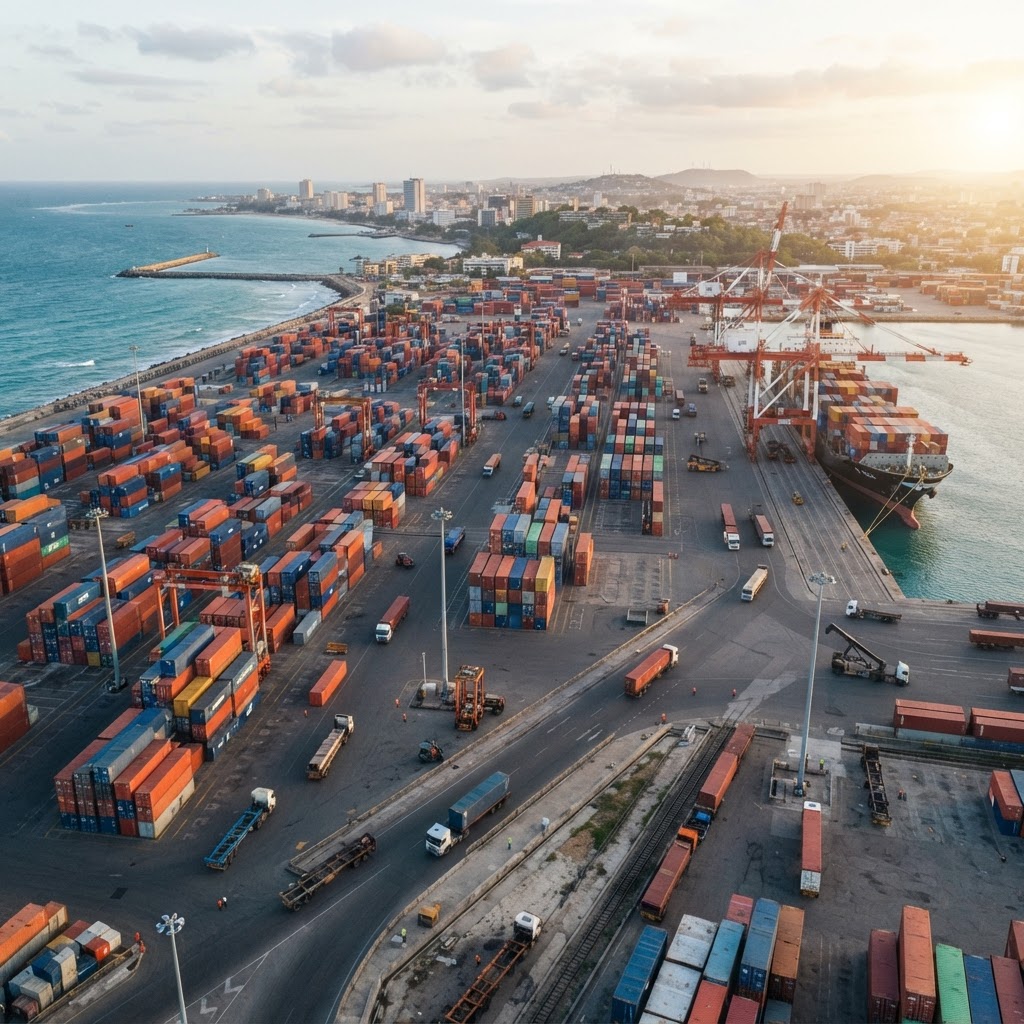
Strategic trade corridors are developing into integrated digital-physical systems in which cargo, customs, energy and industrial production are coordinated in real time across national borders.
Executive summary
- 01Corridor competition is shifting from physical capacity to system intelligence: visibility, predictability and traceability of flows.
- 02Cross-border digital coordination, shared data standards, interoperable customs, unified cargo tracking, is the next frontier.
- 03Corridors that industrialize their digital layer will capture processing investment, not just transit traffic.
From transport routes to operating systems
The first generation of corridor development moved goods. The next generation coordinates economies: customs data flowing between states, rail operators seeing port queues before trains depart, mines synchronizing production with vessel schedules. This requires a level of cross-border digital integration that only trusted, interoperable infrastructure can deliver, where every participant can rely on the data without surrendering sovereignty over it.
Traceability as a trade requirement
Regulation is converging on traceability: due-diligence rules in major markets, ESG requirements from lenders, and certification demands from offtakers. Corridors that can prove provenance and custody digitally will face fewer barriers to premium markets; those that cannot will be discounted. The enabling infrastructure is the same network that runs operations, another reason the digital layer must be designed as trusted infrastructure from day one.
The industrial corridor thesis
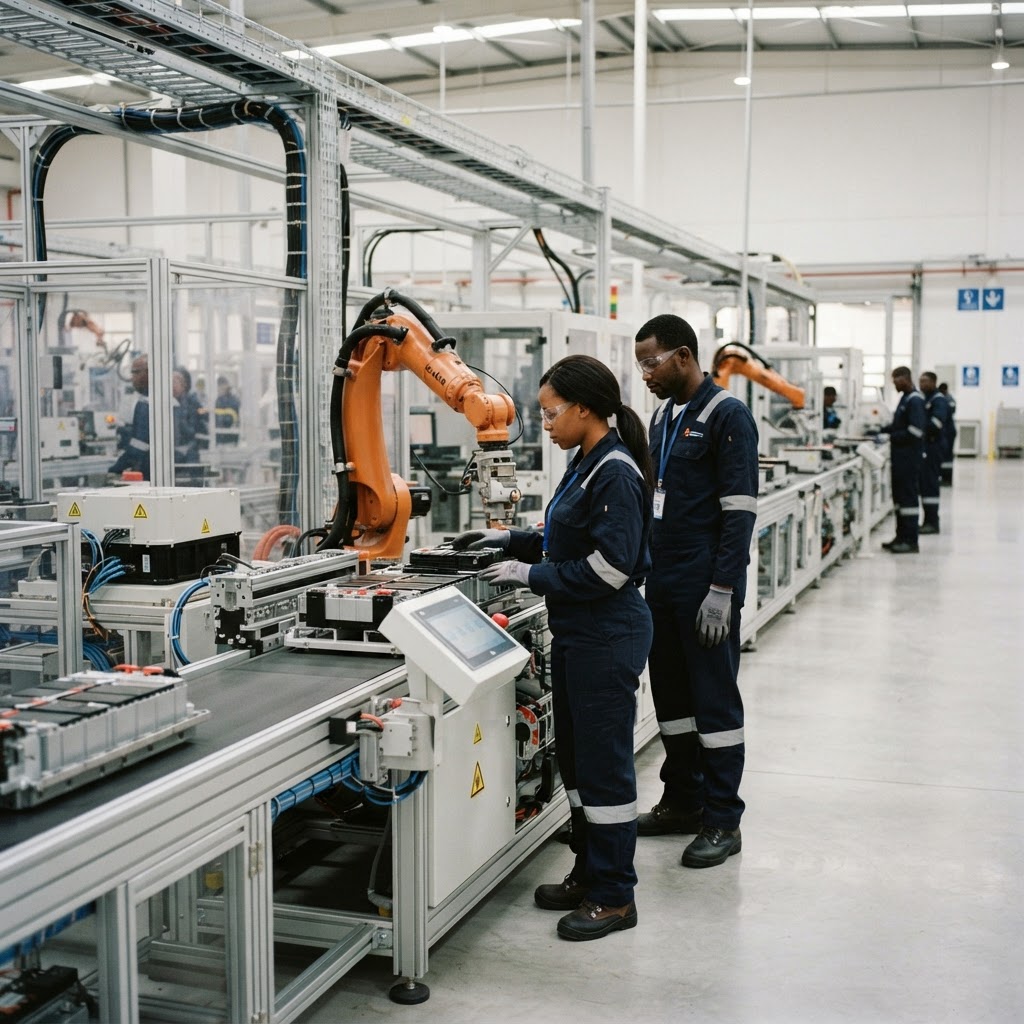
The corridors that matter most in 2035 will be those that converted transit traffic into industrial activity: smelters and processing plants at energy-rich nodes, logistics parks at border crossings, fabrication and assembly near ports. Every one of those facilities is a connectivity customer before it is anything else. Corridor strategy is therefore industrial strategy, and industrial strategy is connectivity strategy.