Strategic infrastructure meets digital infrastructure
Corridor-Zero is the trusted digital layer connecting every stage of the corridor: mine, processing facility, rail network, port and global markets.
The physical corridor exists. The digital layer is missing.
Governments and financiers have built mines, railways and ports. Corridor-Zero adds the fiber, Open RAN and edge computing that let them operate as one secure system.
Connectivity makes corridors investable

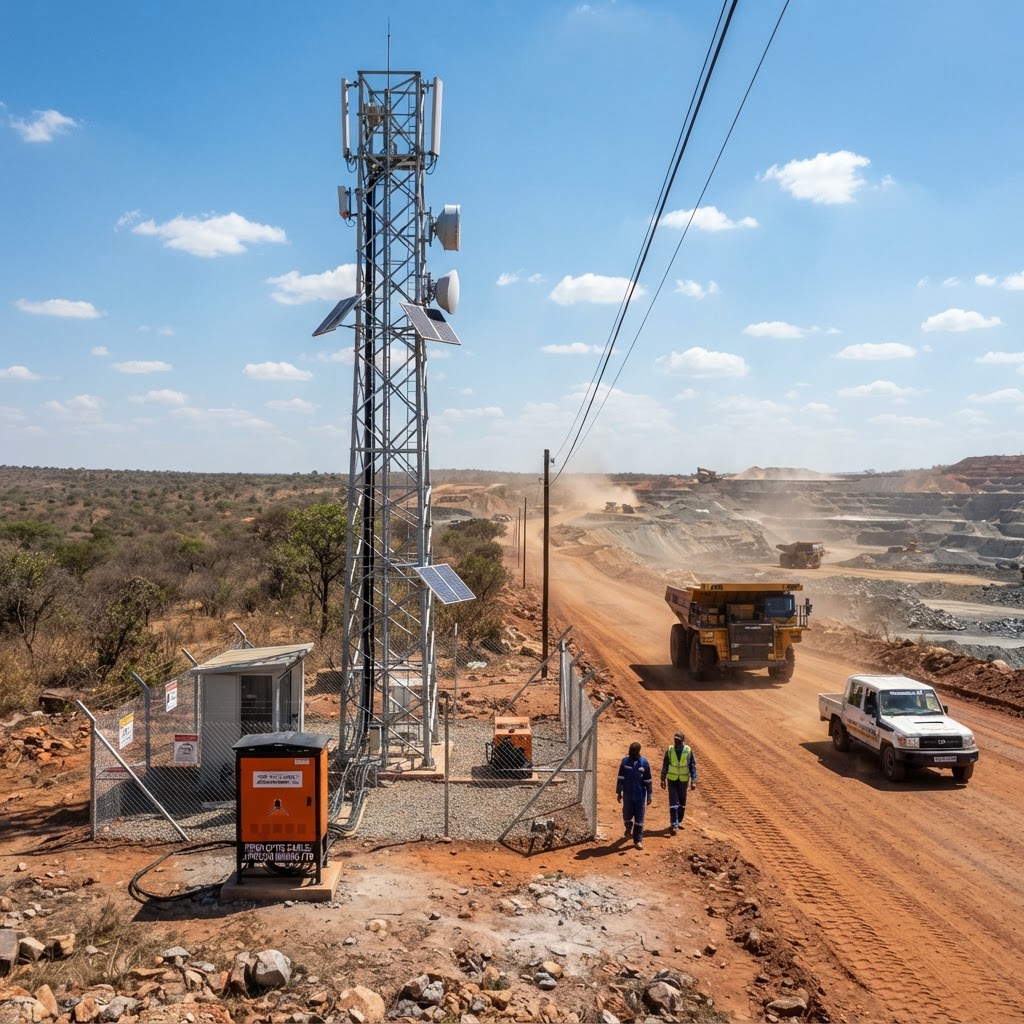
Supply chain security
Real-time visibility and protected communications for cargo trains, freight movement and containers.

Digital sovereignty
In-country telecom and data infrastructure that keeps national control of data and keys.
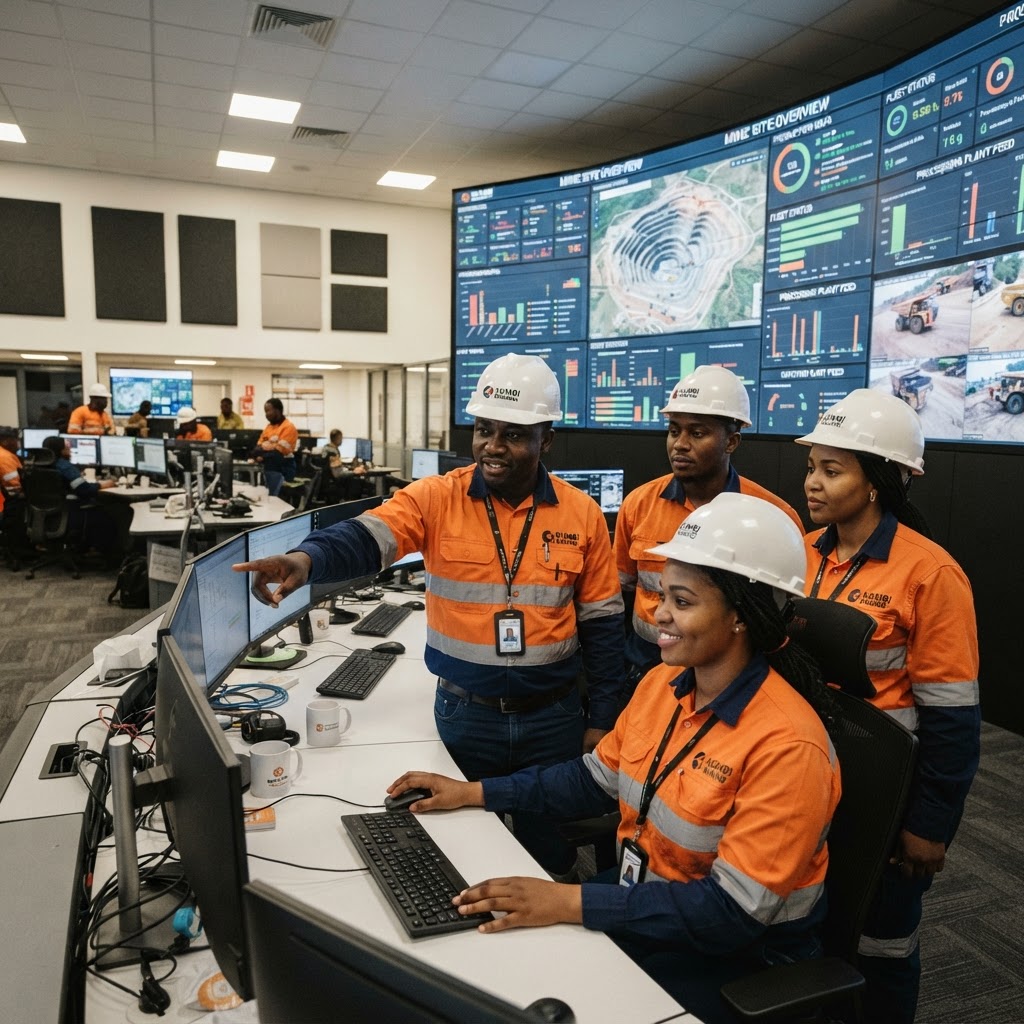
Industrial modernization
Reliable connectivity for mining automation and integrated operations centres.
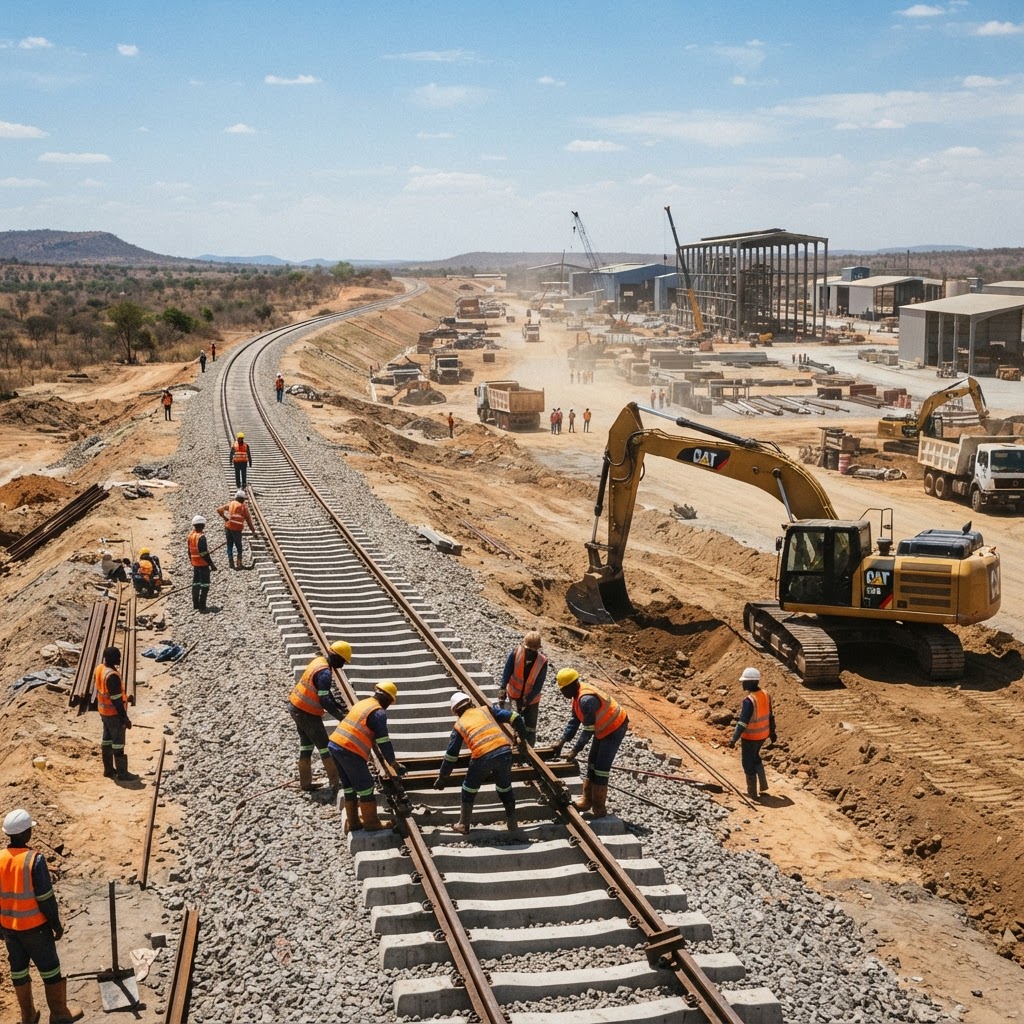
Investment readiness
Bankable digital infrastructure that de-risks industrial expansion along the corridor.
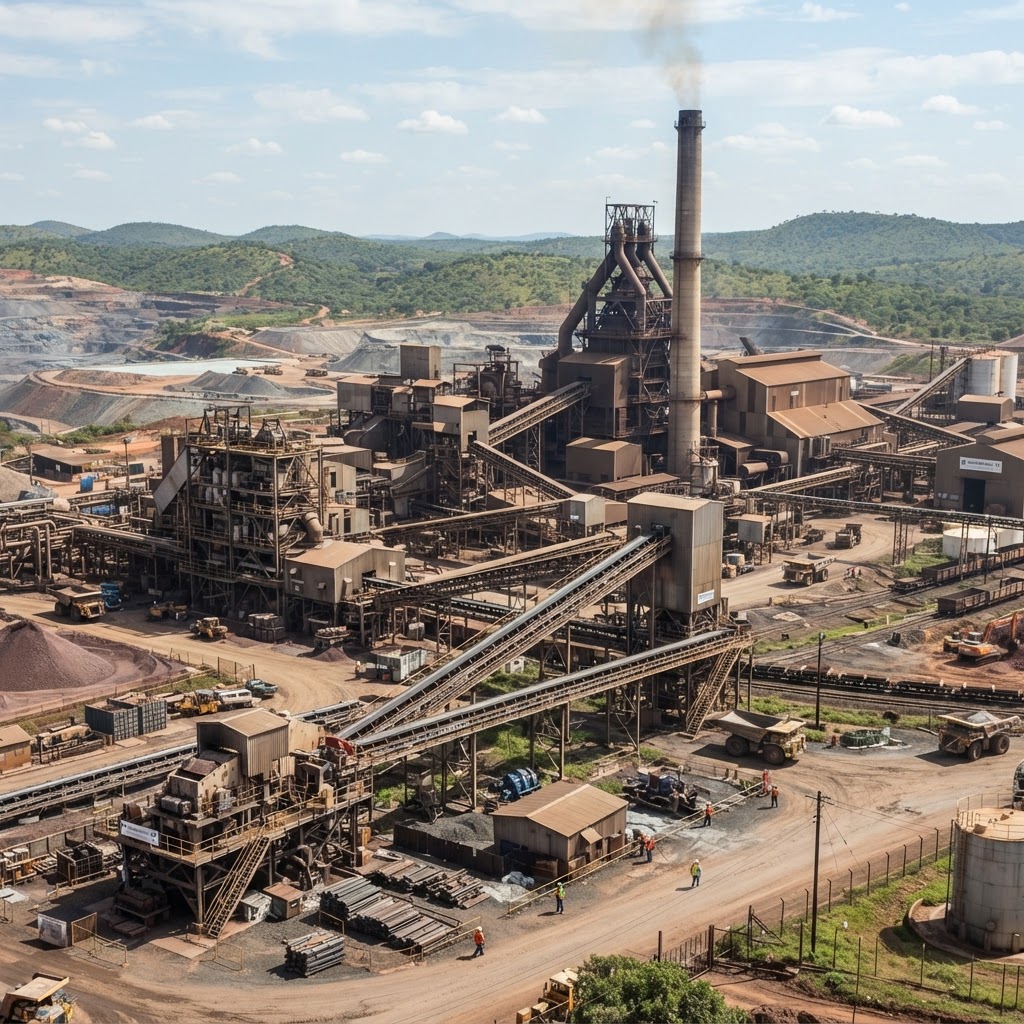
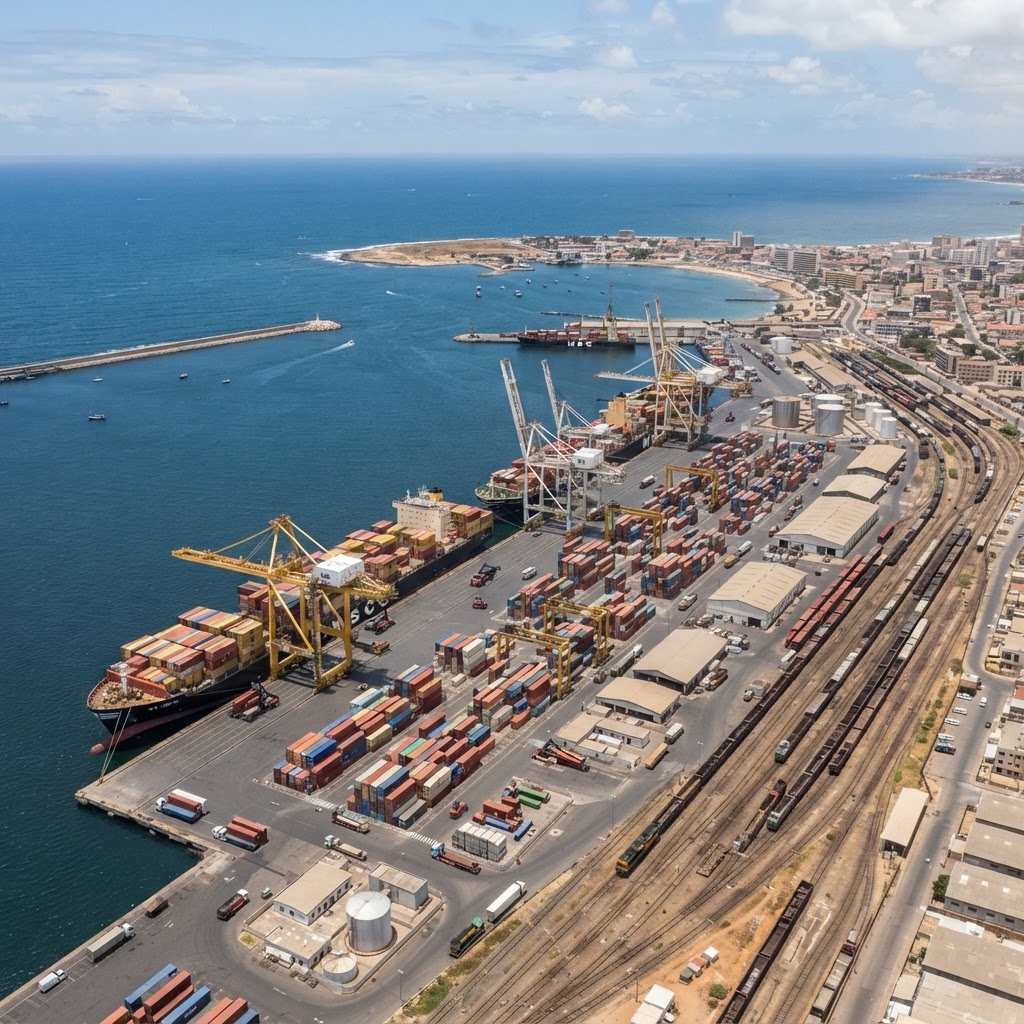
Mine to global markets, on one trusted network

Five layers, built as one system
Select a layer to see what it does on the ground and why it matters.
CorridorOS
A single operating layer gives operators one view of connectivity, assets and security across the corridor.
Clear visibility and coordinated control of the entire corridor from one place.
Platform architectureThe Lobito Corridor
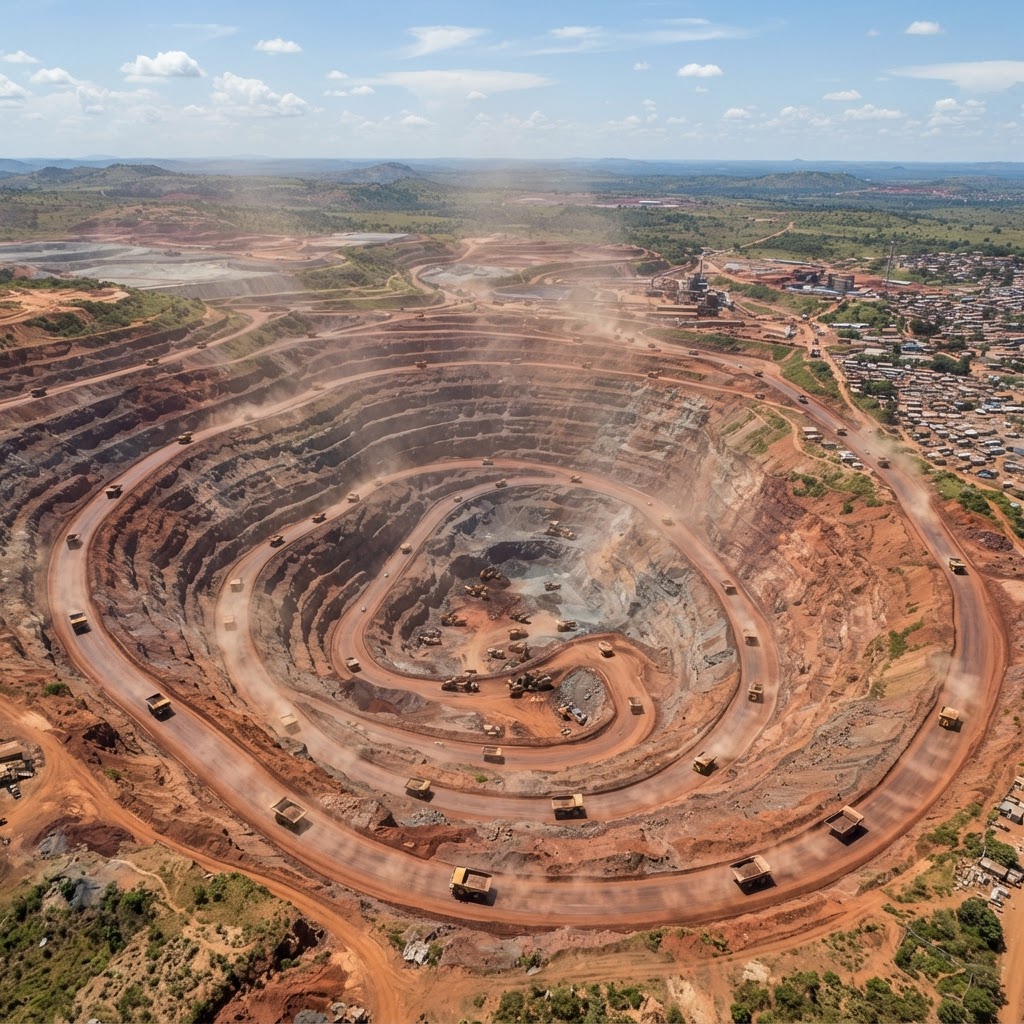
From the copper and cobalt belts of the DRC and Zambia to the Atlantic port of Lobito in Angola, with the Corridor-Zero digital network overlaid on the physical route.
Kolwezi Mining Region
Core copper-cobalt production zone with large-scale open-pit operations and processing plants.
Fiber backbone, private 5G and managed cybersecurity connect this node to the wider corridor.
Encrypted, route-diverse links between mines, rail, ports and control centres.
Dedicated Open RAN coverage across industrial sites and rail nodes.
Reliable data for automation, tracking and fleet operations.
Segmented networks with continuous monitoring across every layer.
Shared digital records for customs, cargo and cross-border clearance.
Explore the corridor by country
Home to the Port of Lobito and the Benguela Railway, Angola is the western terminus where minerals reach global shipping lanes. Corridor-Zero connects port operations, rail yards and inland logistics hubs.
Built for the institutions behind the corridor
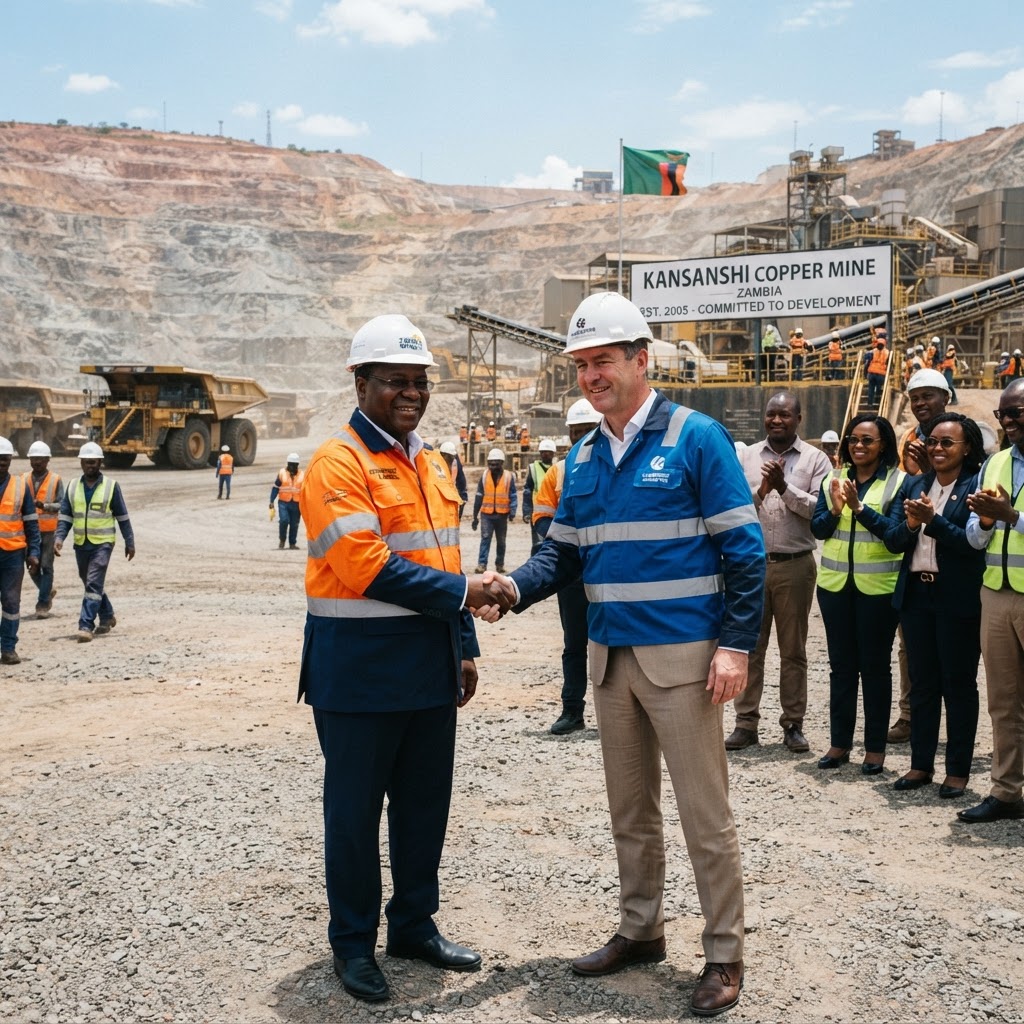
Mining companies
Secure, always-on connectivity from the pit to the port.
Governments
Sovereign control over strategic infrastructure with transparent governance.
Investors
Long-duration, contracted digital assets tied to industrial growth.
Technology partners
An open, vendor-neutral architecture for telecom and digital infrastructure.
From one mine to a connected corridor
Pilot mine
Private 5G and fiber at a single operating mine to prove the model.
Copperbelt expansion
Extending coverage across processing facilities and mining regions.
Rail and logistics
Connecting rail corridors, yards and logistics hubs.
Multi-country expansion
Linking Angola, DRC and Zambia, then further corridors.
Building the digital backbone of strategic minerals
Corridor-Zero is delivered with institutions that share a long-term view of resilient, sovereign and investable infrastructure.
- Executive briefingConfidential, tailored session for leadership teams.
- Government and DFI engagementStructured dialogue on policy, financing and delivery.
- Technical integrationArchitecture review for technology and infrastructure partners.
The digital backbone of the Lobito Corridor
Request an executive briefingUnderstanding corridor infrastructure
Corridor-Zero is the trusted digital infrastructure platform connecting strategic mineral corridors through Open RAN, private 5G, secure connectivity, cybersecurity, edge computing, and industrial communications infrastructure across Africa.
A strategic mineral corridor is a prioritized transport and economic route — rail, road, energy and port infrastructure — developed deliberately to move strategic minerals such as copper and cobalt to market and to anchor industrial development along the route. The Lobito Corridor is the leading example.
Mining operations run safety systems, autonomous equipment and production controls over their networks. A breach or outage can stop production, damage equipment or endanger workers, so connectivity must meet industrial-grade security and reliability standards — not consumer ones.
Critical minerals such as copper, cobalt and lithium underpin the global energy transition, defense systems and advanced manufacturing. Secure, transparent and verifiable supply chains for these minerals have become a strategic priority for governments, investors and industry worldwide.