Why Corridor-Zero
Africa's mineral corridors are being rebuilt as the arteries of the global energy economy. This is why a trusted digital infrastructure layer, not any single technology, is the decisive investment in their future.
Why Critical Mineral Corridors Matter
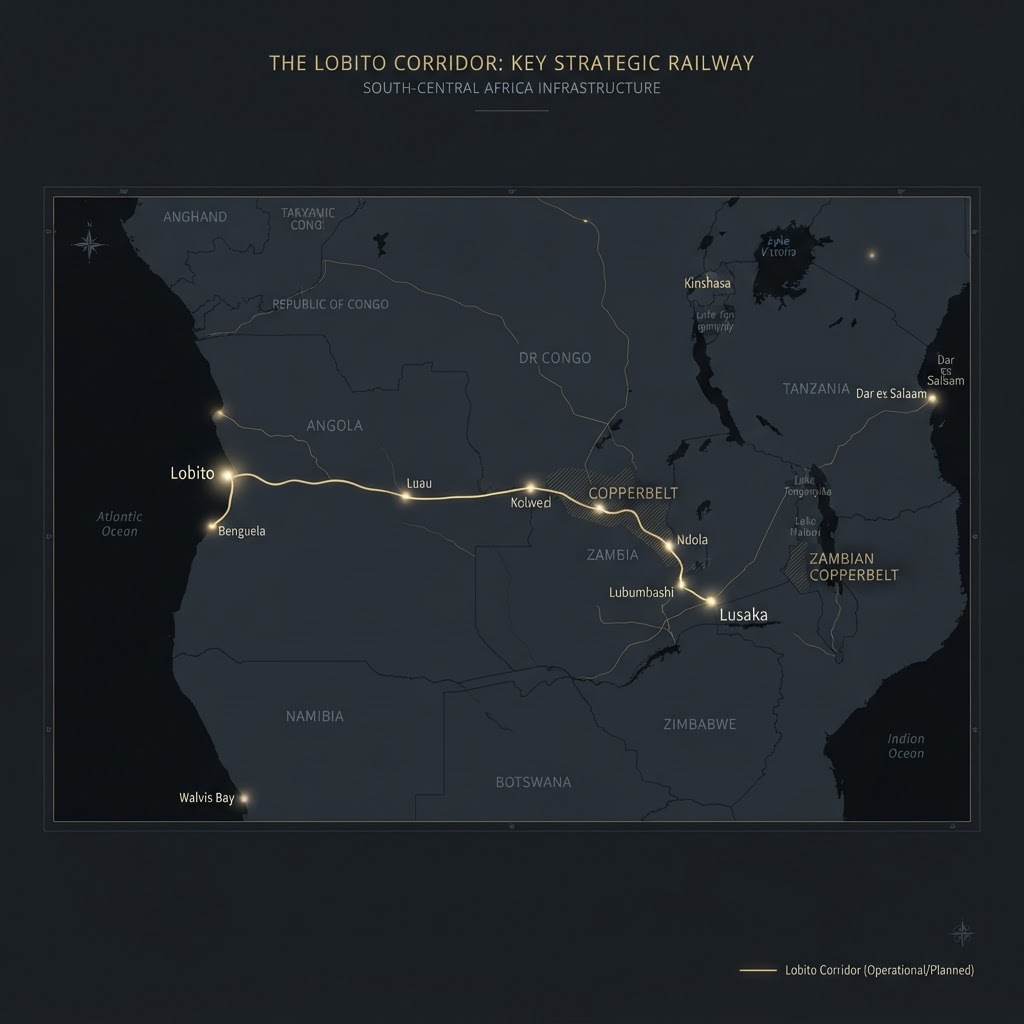
The energy transition runs on African ground. Copper, cobalt and lithium mined here power electric vehicles, grids and defense systems on every other continent, yet the corridors that carry these minerals to the world remain among the least developed infrastructure routes on earth.
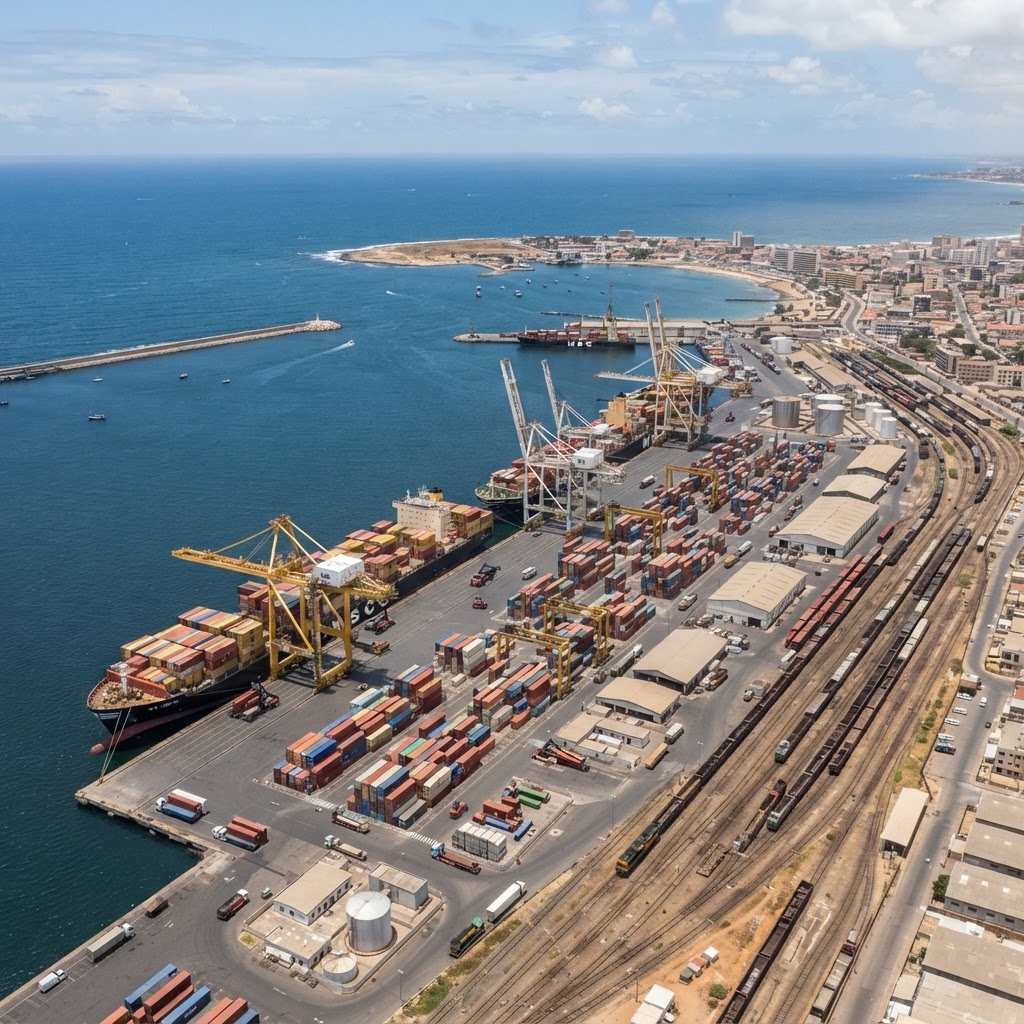
A corridor is more than a rail line. It is a chain of mines, smelters, yards, borders and ports that either works as one system or fails as many. When it works, an entire region industrializes around it: jobs, processing, local value creation. When it doesn't, minerals leave raw, value stays abroad, and the investment case for everything else collapses with it.
Corridors are therefore the single highest-leverage geography for economic development on the continent, and the places where institutional capital is watching most closely.
Why Infrastructure Matters
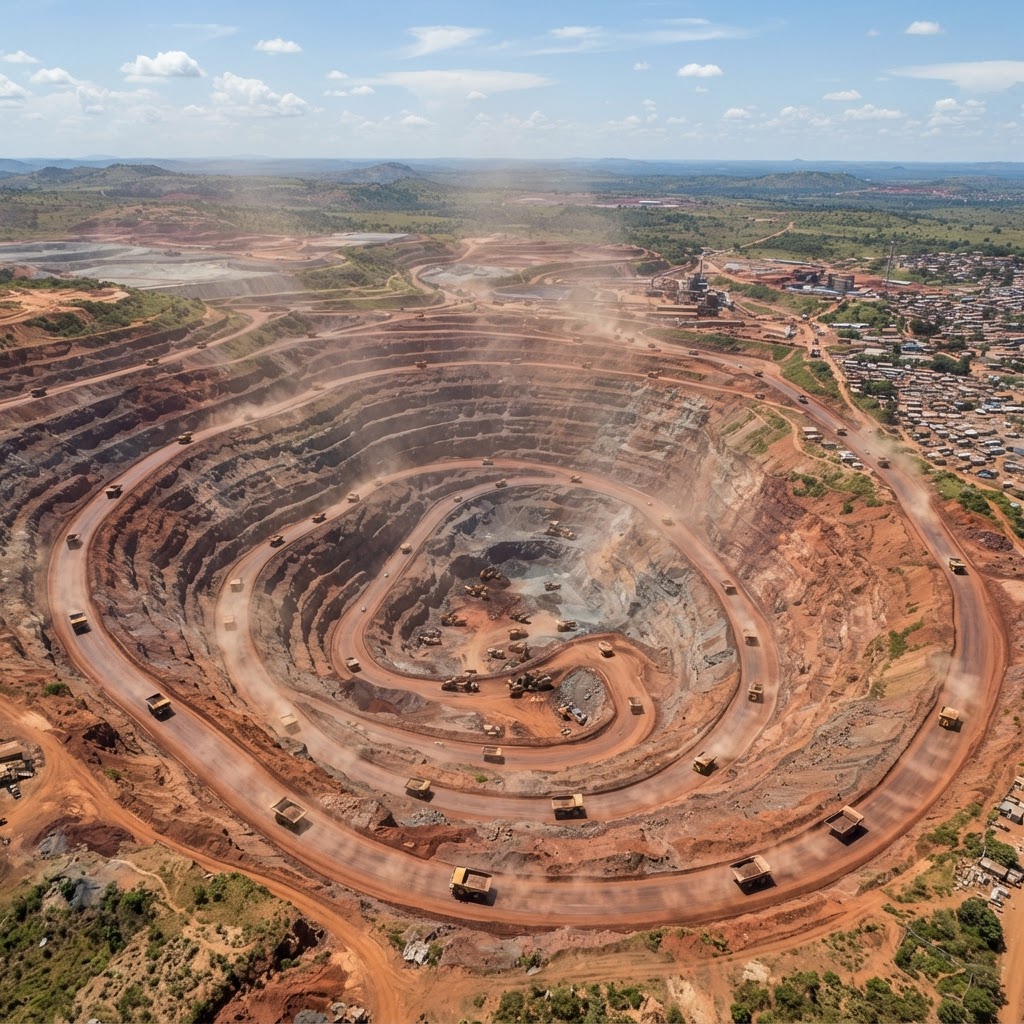
Infrastructure is the language governments and investors actually speak. Rail capacity, port throughput, energy reliability: these are the numbers that decide whether a billion-dollar mine gets financed, whether a smelter gets built, and whether a region moves from extraction to industry.
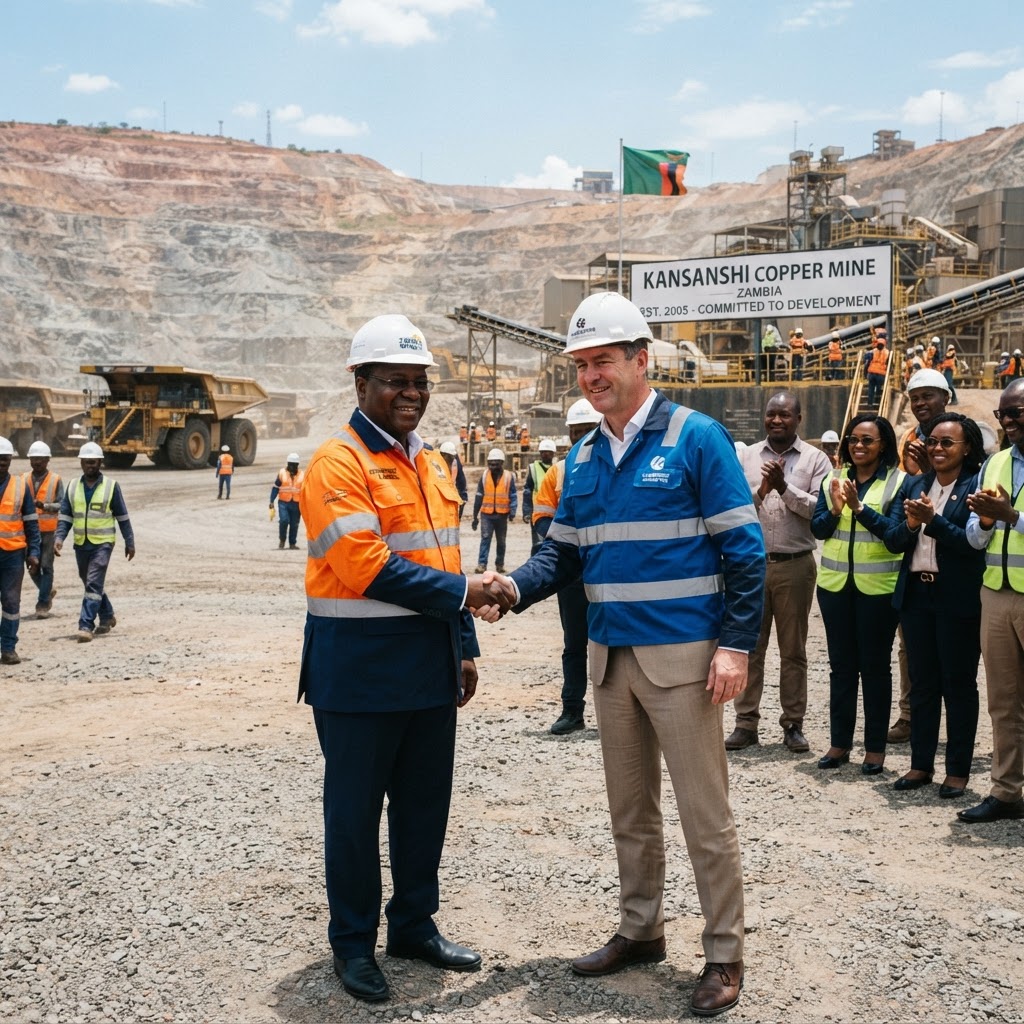
The Lobito Corridor has shown what coordinated infrastructure investment can do: anchor governments, development finance and private capital behind one shared route, with offtake agreements and industrial plans attached. That model is now the template for corridors across the continent.
But infrastructure has changed. A corridor without its digital layer is like a factory without its control room: physically impressive, operationally blind, and uninvestable at scale.

Why Digital Infrastructure Matters
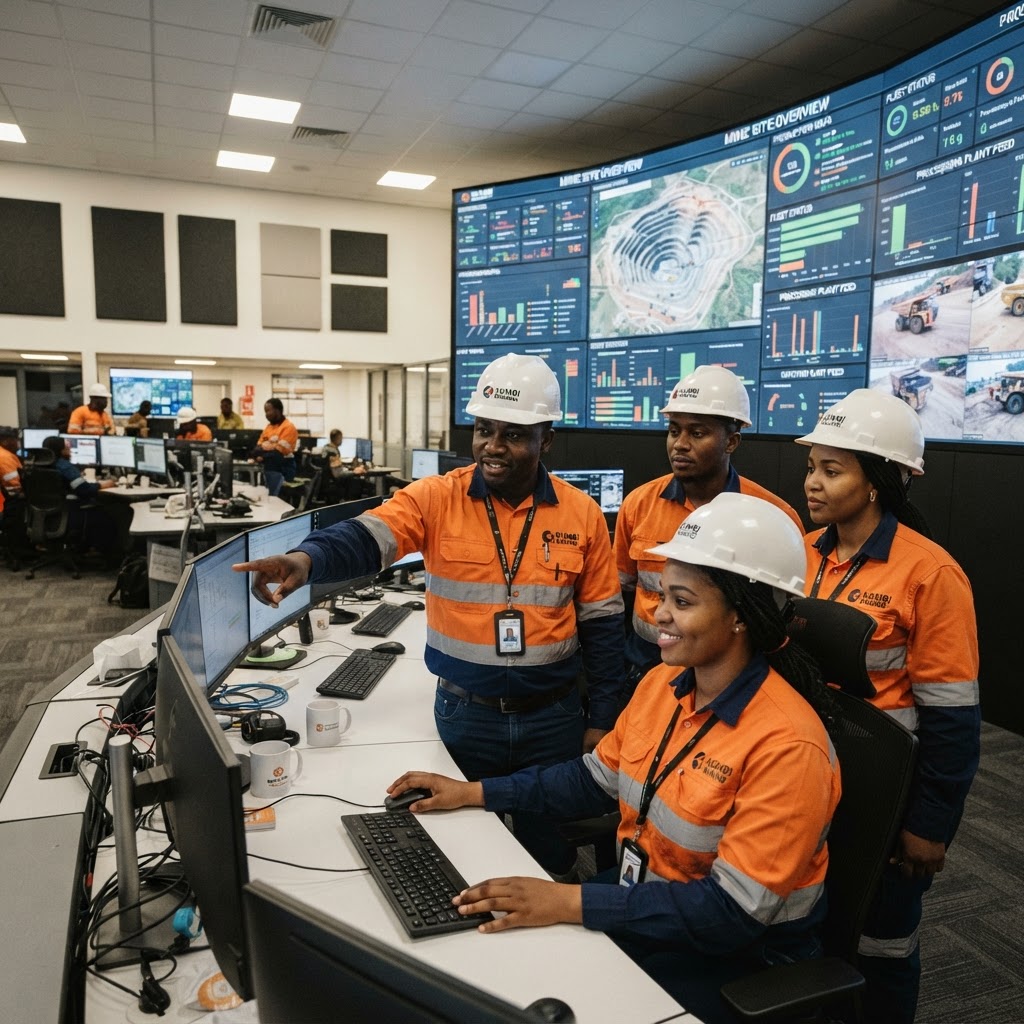
Every modern corridor is quietly two corridors: one for minerals, one for data. Sensor data from autonomous haul trucks, telemetry from processing plants, customs and logistics records, port manifests, safety systems, all of it must move reliably, in real time, and increasingly, inside the country where it was generated.
Digital infrastructure is what converts physical capacity into industrial productivity. It is how a mine raises throughput without raising risk, how a rail line runs at schedule integrity, how a port clears cargo in hours instead of days.
And it is where sovereignty now lives. Whoever operates the digital layer of a corridor holds its operational memory, its security posture and much of its economic leverage. That layer should belong to the nations and industries it serves.

Why Trusted Infrastructure Matters
Strategic infrastructure is no longer judged only on cost and capacity. It is judged on who built it, who can audit it, whose law governs it and who can switch it off. Governments along these corridors are making vendor decisions with sovereignty, not just procurement, in mind.
Trusted infrastructure means verifiable supply chains for every network element, transparency that investors can underwrite, and alignment with the security frameworks of partner governments and development finance institutions.
This is a competitive advantage, not a constraint. A corridor whose digital layer is provably trusted attracts capital that a cheaper, opaque alternative simply cannot, because in strategic industries, trust is underwritten in the term sheet.
Why Open Architectures Matter
For decades, industrial and carrier networks were built as closed systems: one vendor's equipment end to end, impossible to audit independently, expensive to replace, and a strategic risk when geopolitics shifted.
Open RAN changes the economics and the politics of connectivity. By standardizing how network components interoperate, it lets corridor operators source from multiple trusted suppliers, verify every element independently, and avoid the lock-in that turns infrastructure into leverage held by someone else.
For corridor-scale networks of hundreds of kilometres of rail, remote mine sites and cross-border routes, open architectures are the only sustainable way to build: lower lifetime cost, competitive supply, and every layer independently auditable. It is the enabling architecture beneath a trusted corridor, never the story itself.
Why Secure Connectivity Matters
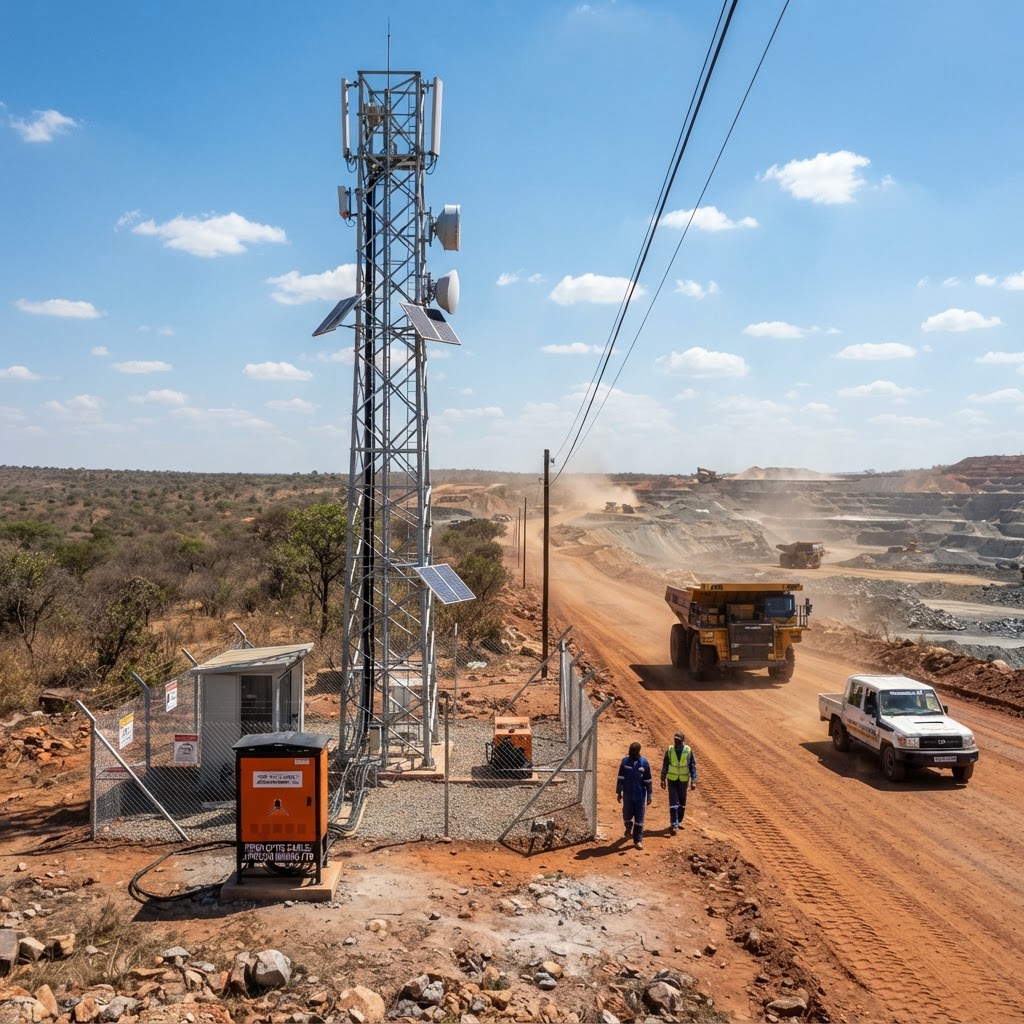
A mine that runs autonomous equipment, a rail network dispatching trains, a port clearing cargo, none of these can tolerate consumer-grade networks. Their operations run over connectivity: safety systems, production controls, remote operations, logistics data. A breach or outage is not an inconvenience; it stops production and endangers people.
Security is also what makes corridor data trustworthy to everyone downstream. A shipment whose custody data is verifiable commands a premium; a supply chain that cannot prove its own integrity invites the traceability regimes now reshaping global mineral trade.
Secure connectivity is therefore not a feature of the corridor. It is the precondition for the corridor to participate in global markets at all.
Why Corridor-Zero Matters
Everything above converges on one gap: the corridors of Sub-Saharan Africa are receiving historic physical investment, yet almost none of it is coordinated into a trusted digital layer that serves governments, operators and industry together.
Corridor-Zero exists to be that layer. We develop and enable trusted digital infrastructure frameworks, spanning secure connectivity, private wireless, Open RAN architectures, edge computing, cybersecurity and data platforms, so that the corridor's digital spine is built with the same discipline as its rail and ports.
The technology is deliberately not the headline. The headline is what the technology makes possible: corridors that industrialize their regions, supply chains the world can trust, and infrastructure investment that compounds instead of leaking away. That is why Corridor-Zero matters.
The corridors will be built.
The question is whether they are trusted.
Corridor-Zero exists so that when the mines, rail lines and ports of Africa's strategic corridors reach their next decade of growth, the digital layer beneath them is sovereign, secure and built to industrial standard, from the beginning.