Corridor-Zero Zambia
Advancing trusted digital infrastructure supporting Zambia's copper sector and industrial modernization.
Zambia at a strategic glance
Landlocked at the center of the region — bordering the DRC, Tanzania, Malawi, Mozambique, Zimbabwe, Botswana and Namibia — Zambia is a natural transit hub for regional trade.
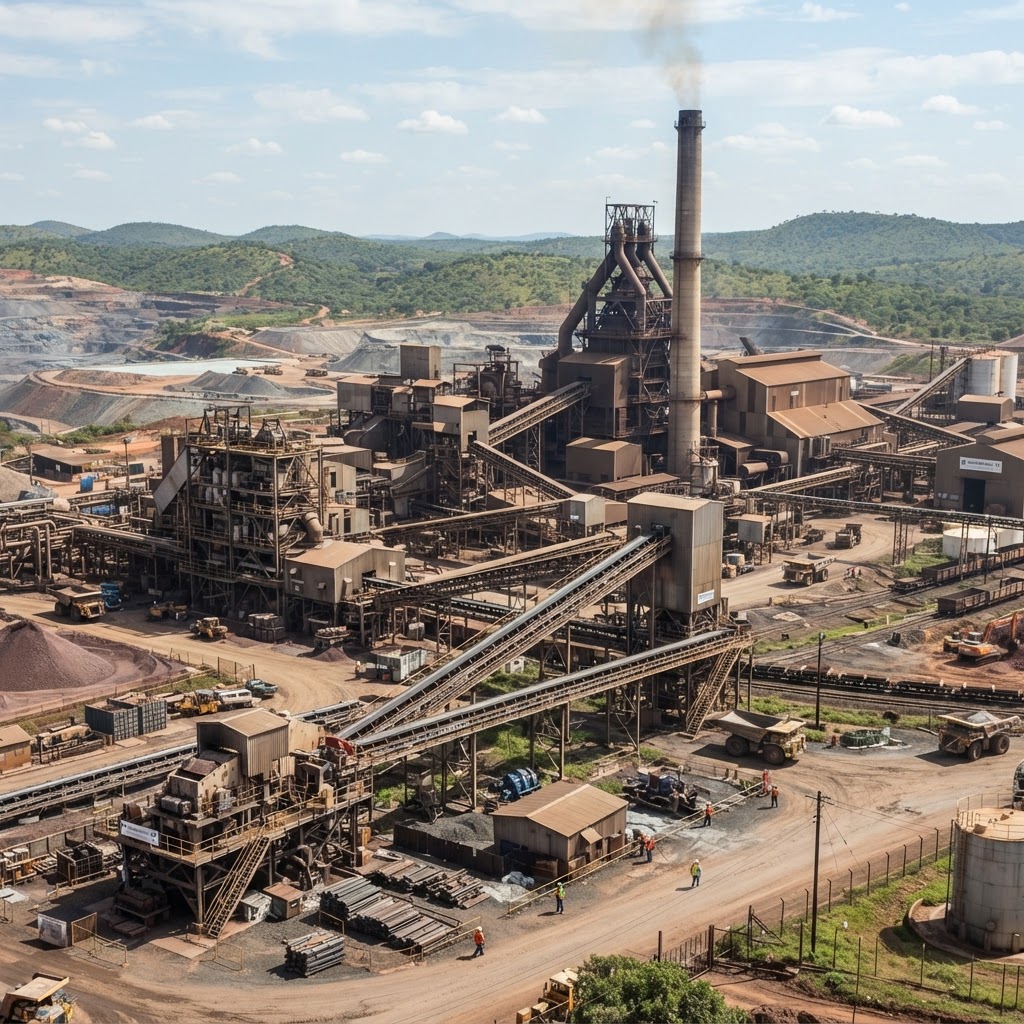
Africa's second-largest copper producer with a growing logistics, agro-processing and industrial base across the Copperbelt and the new North-Western Province mines.
- Copper mining & processing
- Logistics & transit trade
- Agro-processing
- Emeralds & gemstones
- Copperbelt mine connectivity and automation
- Transit-corridor data and customs digitization
- Industrial-processing facility networks
- Cross-border power and fiber interconnects
What Zambia moves to the world
The mineral and industrial base that defines Zambia's role in global supply chains — and the operational demands it places on digital infrastructure.
Copper
Copperbelt and North-Western Province operations
Cobalt
By-product of copper refining
Emeralds & gemstones
World-class emerald production
Manganese
Growing exports through regional corridors
How Corridor-Zero supports Zambia
Mining operations
Mine-wide private 5G, machine telemetry, safety systems and remote operations.
Processing
Plant networks for refining, smelting and processing facilities.
Transportation
Rail corridor connectivity, cargo visibility and operations data.
Ports
Port-community systems, terminal networks and customs digitization.
Industrial facilities
Secure industrial connectivity for factories and special economic zones.
Connectivity
Open RAN and private 5G engineered for industrial-grade reliability.
Edge computing
In-country edge compute for latency-critical operations and data sovereignty.
Cybersecurity
Industrial-grade security for operational technology and critical infrastructure.
Zambia's corridors to global markets
Lobito Corridor
Western copper export route via DRC and Angola
TAZARA
Tanzania-Zambia Railway to the Port of Dar es Salaam
Nacala Corridor
Eastern route through Malawi and Mozambique
Zambia within Corridor-Zero's strategic markets
What trusted infrastructure unlocks for Zambia
Economic growth
Reliable digital infrastructure compounds productivity across mining, logistics and industry.
Investment readiness
Bankable, de-risked infrastructure assets that attract long-duration capital.
Digital modernization
A sovereign, trusted network layer replacing fragmented, closed systems.
Industrial transformation
Automation, telemetry and analytics that modernize operations end to end.
Regional integration
Interoperable connectivity that binds corridors, borders and markets together.
Who we work with in Zambia
Government
Sovereign frameworks, spectrum policy and national digital strategies.
Infrastructure operators
Rail, port and utility operators that anchor corridor demand.
Technology partners
Open RAN vendors, cloud, cybersecurity and industrial systems.
Mining companies
Copper, cobalt, iron ore and battery-mineral producers.
Financial institutions
DFIs, banks and investors financing corridor infrastructure.
Corridor-Zero engages governments, operators and investors to align trusted digital infrastructure with Zambia's corridor priorities.
Start a partnership conversation